Share


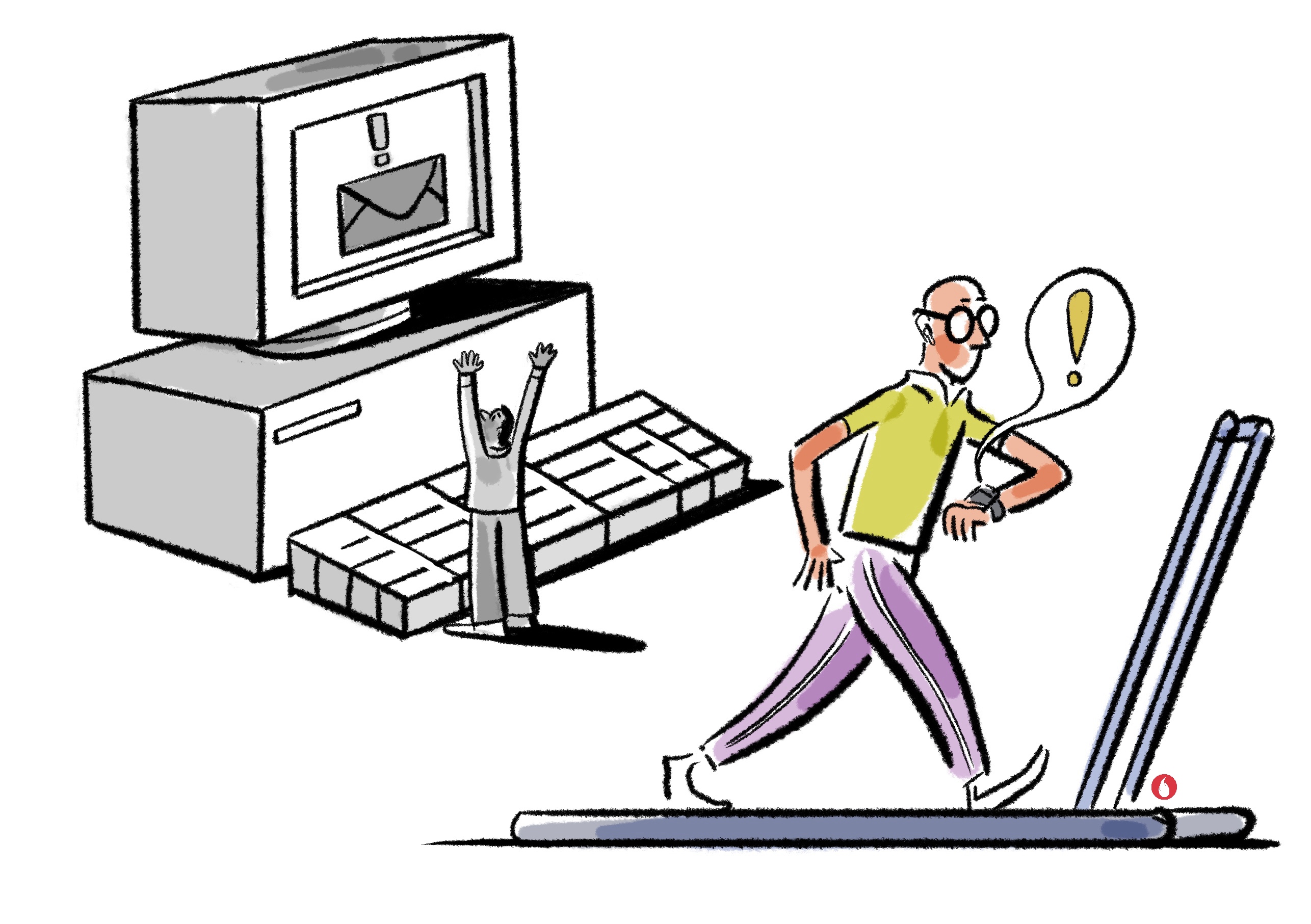
Most wont people won’t admit this! The bridge between the old way and the new way is often paved with double work. Most of us are on that bridge right now, doing something twice, in some parts of our life.
People rarely keep the old way out of stubbornness. They keep it because it is still doing a job that the new tool does not do, yet.
This pattern is not new to us.
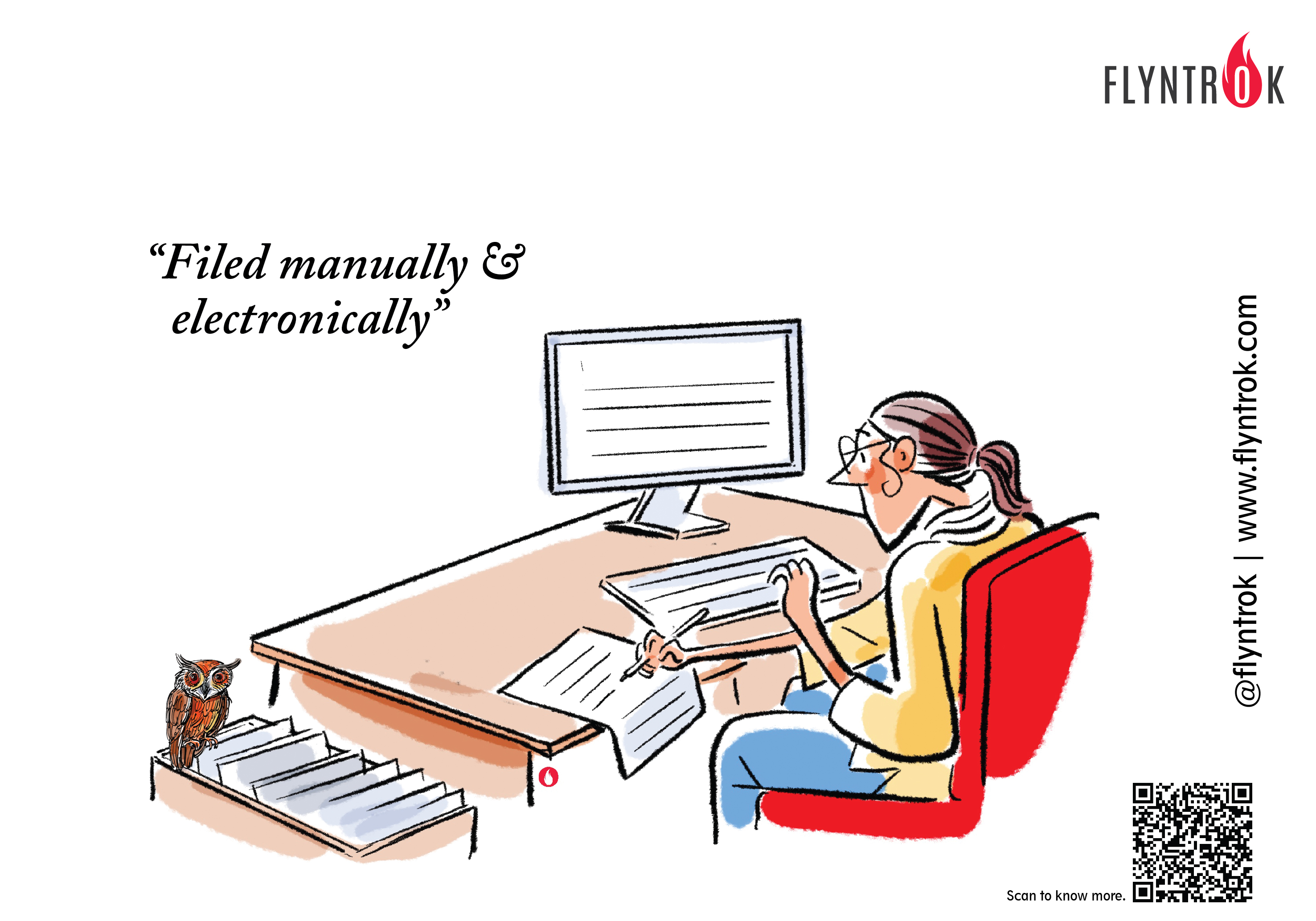
The paperless office was first predicted in 1975. Then email arrived, and something odd happened. Organisations that brought in email saw their paper use go up by 40 percent on average! People printed their emails. They printed them to read properly, to sign, to scribble on and to carry into the meeting. The screen could send the message. It could not yet do the other jobs.
The bank passbook, the same story! Banking moved to the internet and then to our phones. The passbook stayed. In India, the country’s largest bank installed thousands of self-service machines whose only work is to print the passbook. They handle more than 30 million passbook updates a month. In Japan, the passbook was free for 150 years. It was only in 2021 that the big banks began charging for a new one.
Why did the passbook last? A passbook is proof you can hold in your hand. Anyone in the family can read it. You can show it across a counter.
Same pattern, both times. The new way arrived. The old way stayed, because it was still doing a job.
Notice what happened next. Office paper did fall in the end. In the United States it peaked around the year 2000 and has dropped by about 40 percent since. Nobody banned the printer. Screens became easier to read. Signatures went digital. Search replaced the filing cabinet. Paper lost its jobs one at a time, and then it left.
The old way does not retire on a deadline. It retires when its jobs have been moved.
Habit or hidden job?
How can you know whether the double work is a habit, or the old way doing a job that nobody has named?
Here is a simple exercise. Call it the twice list.
- Write down what your team probably does twice. Once in the new way and once in the old.
For example, the data is available on on an online dashboard. Your team still copies it into an email and sends it out! The circular is sent over email and still printed and filed
- Against each one, name the job the old way is still doing.
Examples of the jobs could be: Proof. Authority. Courtesy. The comfort of knowing the file will open.
- Then ask whether the new way can do that job.
If it can, set an end date for the old way.
If it cannot yet, keep the old way on purpose, and say so.
If you cannot name the job at all, it is a habit. One that your team is blindly following from its comfort zone.
What is the old way still doing for us that the new one does not? And what would have to be true for us to switch it off? These are harder questions than asking why people will not let go.