Share


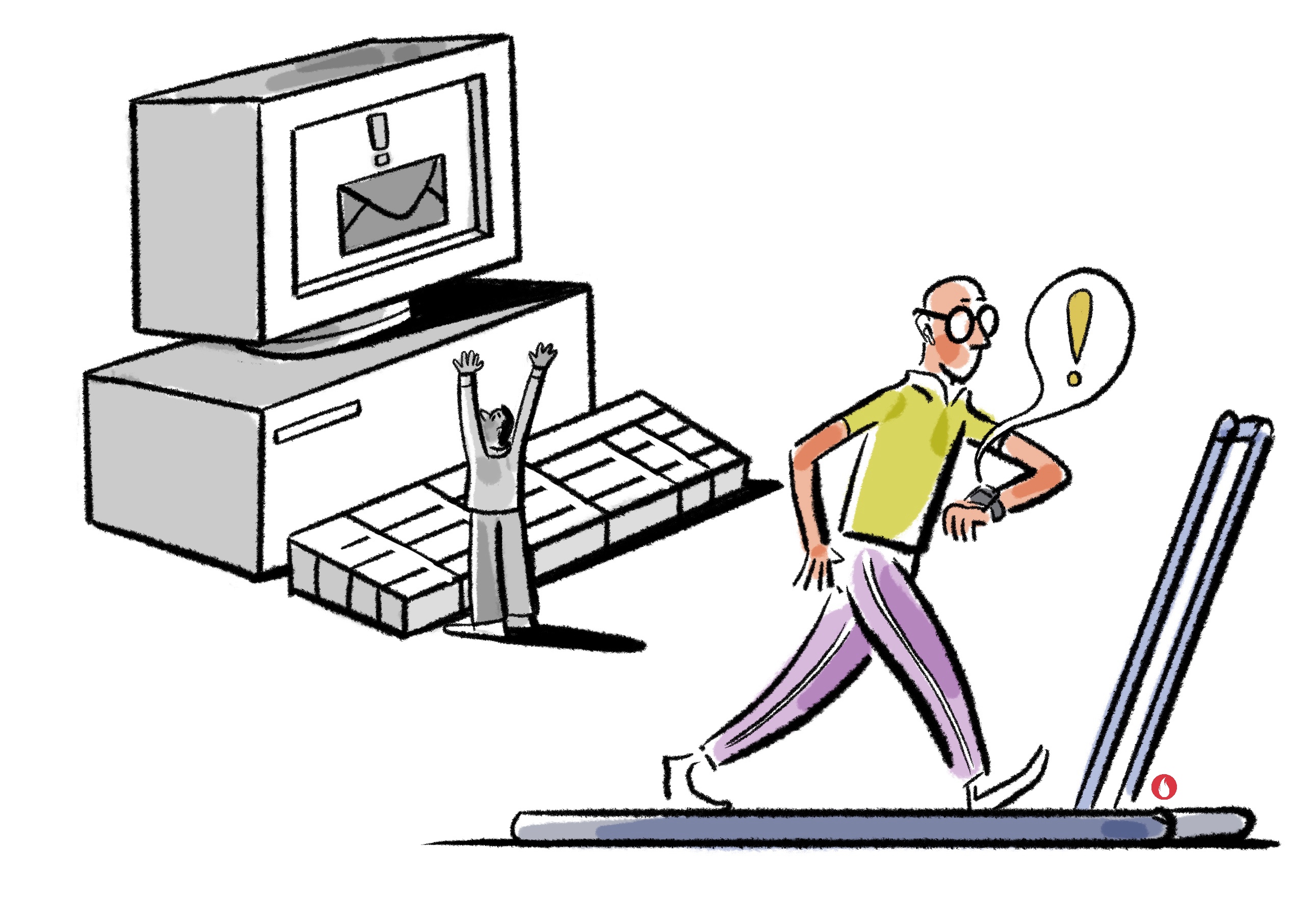
Giving up is never the real problem. Not being able to tell a lag from a dead end is why change often stalls. Teams and organisations work on change programs for long periods and yet sometimes it can feel like nothing is changing. The dashboard remains flat. The pilots remain inconclusive and teams lose momentum, almost ready to give up.
This pattern of change is not new to us. It was 1987 and computers as the latest technology was here. Everyone was predicting rapid change and growth. But change was slow. The famous economist, Robert Solow said in exasperation, “You can see the computer age everywhere but in the productivity statistics!”. It had been twenty years that computers had made its way into offices. Everyone had predicted massive productivity improvements. Twenty years later, nothing much had moved!
A century earlier, the same story! When electric motors went on sale in the 1880s, many factory owners bought them. They took out the steam engine and installed electric motors, driving the same factory belts. For nearly 40 years, almost nothing changed. Until factory owners rebuilt the factory layout differently. That change in work flow finally unleashed productivity improvements.
Same pattern, both times.
The technology turns up all at once. The value turns up slowly, as the work around it gets rebuilt.
You possibly meet this pattern at your workplace too. A recently launched tool that everyone has access to and very few actually use. A new system that everyone uses, but the excel remains open and used in the next tab. A tool that produces dashboards, which teams still recreate on excel and share over emails …and so on….
Dead end or lag?
How can you know whether this is a dead end or a lag in the change journey?
The clue is not in the output. You have to look for signals elsewhere. It lies in whether anything other than the introduction of the tool has changed. Has the work flow been tweaked? Have people’s habits shifted?
Here is a simple two column exercise, that you can tap into, to understand your change journey better. To know if this is a lag in output and hence you should persist with the change. Or is this a dead end, calling for a refreshed approach.
- Take one change the team has been working on for 5 to 6 months at least.
- On the left-hand column list all that you have bought, installed or licensed.
- ON the right-hand column, list down what has been rebuilt around the tool or change introduced. For e.g., a process that runs differently. A meeting that no longer happens, a report somebody stopped producing. A decision that is now made by someone else.
Step back to reflect on the two columns.
- If the second column is empty you are yet to make a meaningful dent post introducing the tool. Unless work habits shift, improvements will be hard to come by and sustain.
- If the right column is full of recent entries, you are most likely in a lag. Persist.
- If it filled up a while ago and nothing has moved since, the rebuilding has possibly stalled. A useful conversation, at this point would be to explore what needs a fresh perspective or refresh to make change possible.
What would have to change, other than the tool, for this to be worth what we paid for it? It is a harder question to answer but a more useful one, than asking are we there yet! 🙂