Share


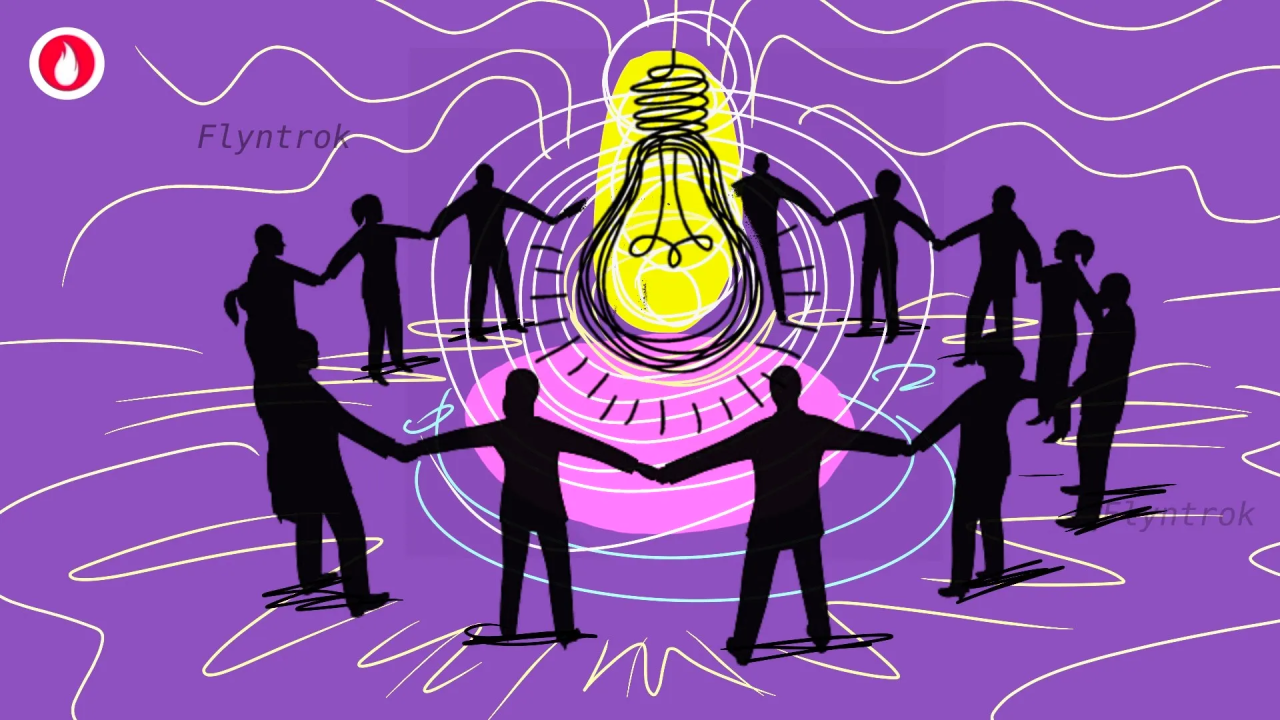
In today’s workplace, teamwork isn’t just important, it’s everything. ****Some of us work from office, some hybrid and some remote. So, how we work with others despite not seeing them everyday is a question we are all asking.
There are teams that work exceptionally well, and teams that do not. And a lot of output is based on this collaboration. Research shows that the best teams don’t just communicate well or hit deadlines. They do something deeper: they think together. They anticipate one another’s moves, support each other seamlessly, and act as a unit—often without needing to speak.
This remarkable ability is known as Team Cognition (TC). And a new study by researchers Omer Eldadi and Gershon Tenenbaum help us here. They show how elite sports teams build this shared mental world, and what we can learn from them.
What Is Team Cognition?
Team Cognition is the collective mind of a team. It’s the invisible thread that connects members, allowing them to coordinate, adapt, and execute tasks almost intuitively.
Imagine a football team executing flawless passes without calling out, or a product team in a pitch meeting where each person knows exactly when to speak. That’s TC in action. At its core, this special cognition is built on two key concepts:
- Shared Mental Models: Each team member understands the overall plan, their role, and what others are likely to do.
- Team Mental Models: The group as a whole builds a shared framework for how they think, operate, and respond—together.
TC is the fusion of both. It’s not just what you know—it’s how you share, interpret, and use that knowledge collectively. And unlike rigid plans, TC is dynamic. It adjusts in real time, flowing with the situation like a dance—agile, adaptive, and deeply human.
How Do High-Performing Teams Build It?
Team Cognition doesn’t happen by accident. It’s cultivated over time through consistent, intentional practice. Here are three key ways teams build this powerful form of mental coordination, and you can do it too:
1. Deliberate Practice
High-performing teams rehearse. Whether it’s running mock presentations, dry runs for product demos, or debriefing after each sprint, they treat teamwork as a skill to be sharpened. The goal isn’t perfection, but preparation. They learn how to move together.
2. Structured Communication
It’s not about talking more, but talking better. Great teams establish clear channels and protocols: daily stand-ups, weekly check-ins, shared documents, and defined decision-making processes. Everyone knows when to speak, how to listen, and where feedback fits.
3. Shared Pressure Experiences
Nothing bonds a team like facing a challenge together. Whether it’s a tight deadline, a system crash, or a high-stakes client pitch, pressure teaches teams how to stay calm, read each other, and pivot quickly. These moments build trust and sharpen everyone’s instincts.
When Thinking Becomes Second Nature
Over time, teams that consistently practice, communicate develop what researchers call implicit coordination. It is the ability to move as one without needing to explain every step.
And, what does this look like?
On the ground, this looks like a group of jazz musicians playing together smoothly, each one adding their part without missing a beat, a meeting in a boardroom where people understand each other easily, sharing ideas with smiles. It’s like firefighters working through a fire, each knowing exactly what to do without needing to shout. Or a business team facing a crisis but staying calm, clear, and in control.
It’s not magic. Now you know, it’s Team Cognition! While In sports, this kind of synchrony wins medals. In business, it wins trust, innovation, and success. Try it?