Share


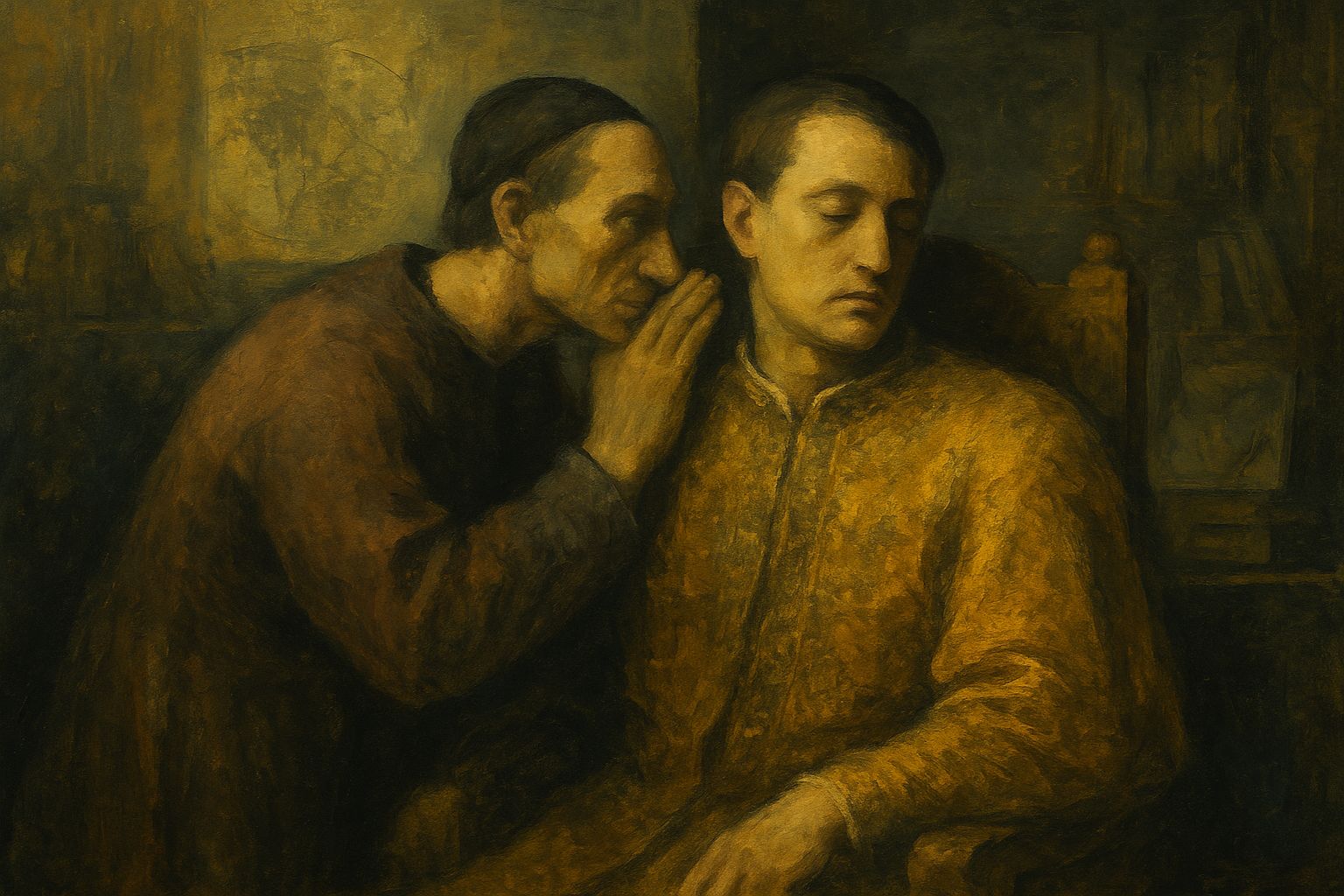
“A prince who is not himself wise cannot be well advised.” — Niccolò Machiavelli (The Prince)
Organisations love a good purpose lead change agenda. A fresh logo here, a new dashboard there, a restructured team chart for good measure. Then come the workshops, coaches, and consultants, all poised to usher in the “next version” of the enterprise.
And yet, so often, the change stalls. Not because the idea was poor or the plan was weak, but because the person at the centre wasn’t ready to change. The orchestra tuned up, but the conductor wouldn’t listen.
The readiness problem
For all the talk about transformation, few leaders stop to ask: am I ready to be changed by this change?
Being coachable, or mentorable, or even open to feedback, isn’t a soft skill. It is a precondition for transformation. Research from Zenger Folkman found that leaders ranked in the top 10 per cent for coachability were seen as “champions of change” 91 per cent of the time. Those in the bottom 10 per cent only 11 per cent. The data is clear. Leaders who listen, learn, and act amplify the organisation’s ability to evolve.
Unfortunately, the curve tilts the wrong way with age and hierarchy. A Forbes analysis shows that while younger leaders score high on coachability, it drops sharply by mid-career. The more certain the leader, the less they listen.
When unreadiness meets good advice
A revealing case from FMG Leading tells the story of a CEO in a post-merger company. The board hired an executive coach to help him integrate two very different cultures. On paper, the match was perfect. In practice, it was a slow disaster.
The leader approached every session as a hunt for shortcuts, asking “what do other great CEOs do?”, instead of examining his own patterns and blind spots. The coach described him later as *“a collector of methods, not meanings.”*When the merger dust settled, the board passed him over for the top job. He had copied every external playbook but missed the one that mattered, his own.
It is an all-too-familiar scene. When change is framed as a performance exercise rather than a personal journey, the real work never begins.
Four familiar signs of unreadiness
The story illustrates four early warnings, the same ones most transformation teams quietly see.
1 Tactics over transformation. The focus is on tools, not introspection. Leaders want the “how” without the “who.”
2 Image over intent. Coaching or mentoring becomes optics, a checkbox to look open, not be open.
3 Delegated ownership. Change is outsourced. The leader expects the consultant or coach to “do the changing” for them.
4 Low discomfort tolerance. Every tough question feels like an ambush. Every mirror, an affront.
Each of these erodes an organisation’s capacity to change from the top down. You can launch transformation offices, agile sprints, and digital dashboards. But if those steering them are allergic to reflection, the system stays the same.
The data behind the mirror
A Harvard/McLean Institute of Coaching meta-analysis suggests that 25 to 30 per cent of leadership development efforts fail not because of poor design but because of leader unreadiness — a lack of curiosity, humility, or follow-through.
Meanwhile, studies across sectors reinforce that coachable leaders are more promotable, adaptable, and effective.
One Dion Leadership study found that 87 per cent of leaders reported increased confidence and performance post-coaching.
Another, showed that coachable leaders perform 10 per cent better and are 30 per cent more promotable.
In plain terms, it is not the frameworks that make transformation succeed. It is the inner operating system of the people running them.
The human bit we often skip
Real change isn’t about installing a new system. It is about uninstalling old certainties. Yet senior leaders, especially those long rewarded for being “the expert,” find that difficult. It is hard to trade confidence for curiosity, or to admit that the world has moved faster than one’s habits.
This gap, between technical ambition and personal readiness, is where many change agendas quietly collapse.
Harvard Business Review calls it “unreadiness to self-examine.” Consultants call it resistance. Psychologists call it ego defence. Machiavelli, centuries earlier, just called it unwise.
What readiness really looks like
A ready leader doesn’t arrive with answers. They arrive with questions. They ask for feedback before the quarterly review forces it. They pause before reacting. They see advice as a mirror, not a verdict.
They don’t just tolerate discomfort, they use it. Because every big organisational change begins as a small personal discomfort someone decided to stay with.
A closing reflection
If Machiavelli were writing The Prince today, he might not be advising royalty. He would probably be sitting in a strategy off-site, observing PowerPoint slides on “change enablement,” quietly murmuring: “A prince who is not himself wise cannot be well advised.”
Wisdom, in modern leadership, doesn’t mean knowing the answers. It means being ready to learn them.
Because the uncoachable leader of today isn’t the villain of a Renaissance court. He is just on a video call, nodding politely while change quietly exits the meeting.