Share



When Nothing Is Broken, Yet Something Is Off
The king did not come because everything had collapsed. There were no crowds at the gates and no public crisis demanding action. And yet, something had shifted. Victories felt dated. Advice sounded familiar, even when it was sincere. People still showed respect, but belief had thinned.
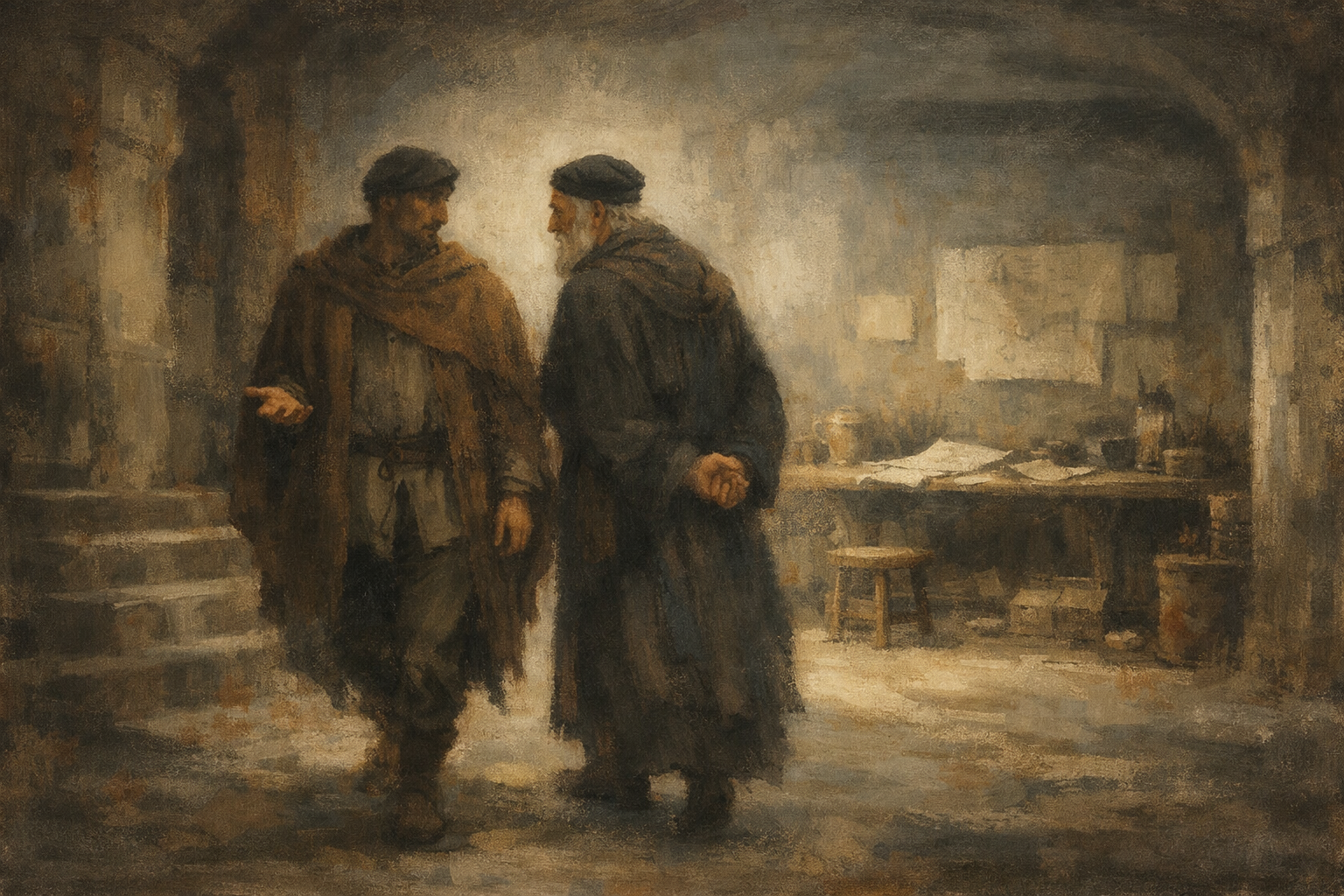
So the king went to his guide. Not to complain or defend himself. He went because he sensed that the old ways of being himself were no longer enough. “I want to begin again,” he said. “I want a fresh start.”
The guide listened carefully. “There is no such thing as a fresh start,” he replied. “There is only a truer one.”
When Fortune Turns
This is where Niccolò Machiavelli quietly enters the story. Machiavelli understood that leaders rarely lose their footing because they are foolish or immoral. They lose it because the world changes—and they continue to act as if it hasn’t.
He called this force fortuna. Not luck in the casual sense, but the shifting current of events. Circumstances. Timing. The mood of the moment. Fortuna lifts leaders for a while. Then, without warning or apology, it turns.
The king saw the recent reversals as failure. The guide corrected him. “This is not failure,” he said. “It is information.”
That distinction matters. Reversals are not punishments. They are signals. When things go well for too long, leaders stop noticing small changes. Success dulls curiosity. Old habits keep working—until they don’t. Feedback grows polite. Warnings arrive quietly.
Then fortuna shifts. Markets move. People hesitate where they once agreed. The ground under familiar decisions begins to loosen.
Studying the Reversal
Most leaders respond by defending the past. They explain themselves. They justify. They repeat what once worked, hoping it will work again.
The guide suggested the opposite. “Do not explain the reversal,” he said. “Study it.”
What surprised you? Where did you react too slowly—or too quickly? Which strengths have turned rigid? Reversals sharpen perception, if leaders are willing to look closely.
The king asked the natural question. “What should I change?”
“That comes too soon,” the guide replied. “Ask instead what the reversal is asking of you.”
Sometimes it is courage that has been delegated away. Sometimes restraint where confidence became excess. Often, it is the humility to see that yesterday’s strengths have quietly become today’s limits.
Letting Go of What Once Worked
Machiavelli believed endurance mattered more than purity. Leaders who last are not those who cling hardest to their identity, but those who adapt without panic. Responsiveness, in his view, was more valuable than consistency.
The king reflected. “I was decisive,” he said. “People admired that.”
“They did,” the guide replied. “Until decisiveness became predictability.”
That is the uncomfortable heart of reinvention. What once made you effective can begin to hold you back—not because it was wrong, but because the context has changed. Remaking yourself is rarely about adding something new. More often, it is about loosening your grip on what once worked beautifully.
Becoming Readable Again
The king asked how long renewal would take. The guide was honest. “Longer than an announcement,” he said. “Shorter than decay.”
Reinvention cannot be declared. It has to be demonstrated. People do not believe leaders have changed because they say so. They believe it when decisions feel different, when old reflexes soften, when responses show thought rather than habit.
As the king prepared to leave, the guide offered one final thought. “Do not rush to become admirable again,” he said. “First, become readable.”
Let people see how you are thinking now. Where you pause. Where you choose differently. In time, belief returns—not because the past was erased, but because the present makes sense.
That, Machiavelli would say, is how leaders endure.