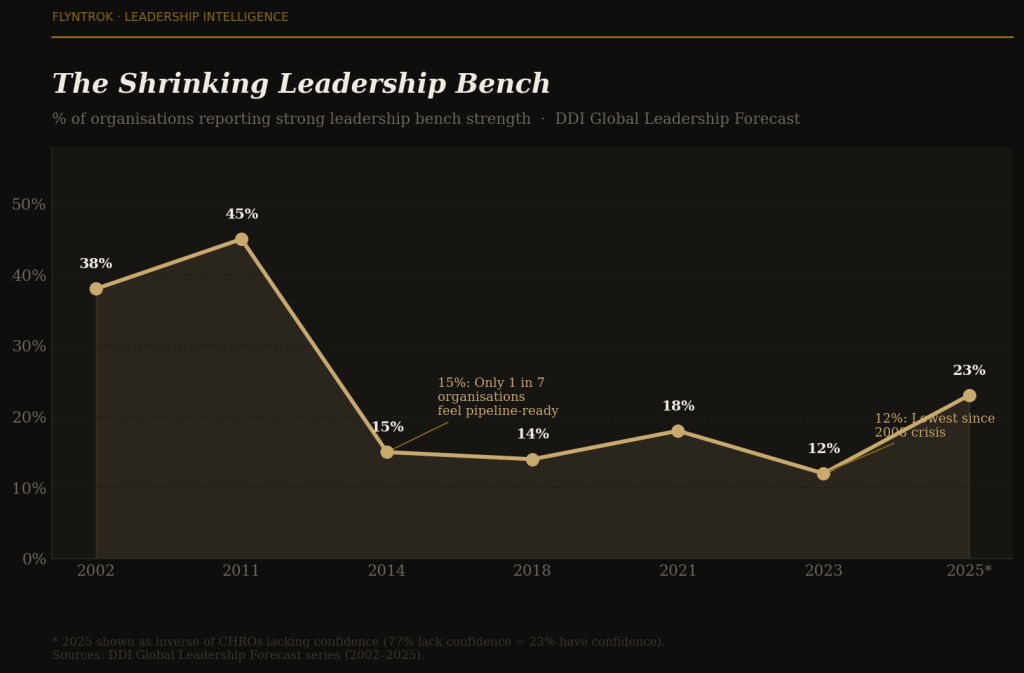
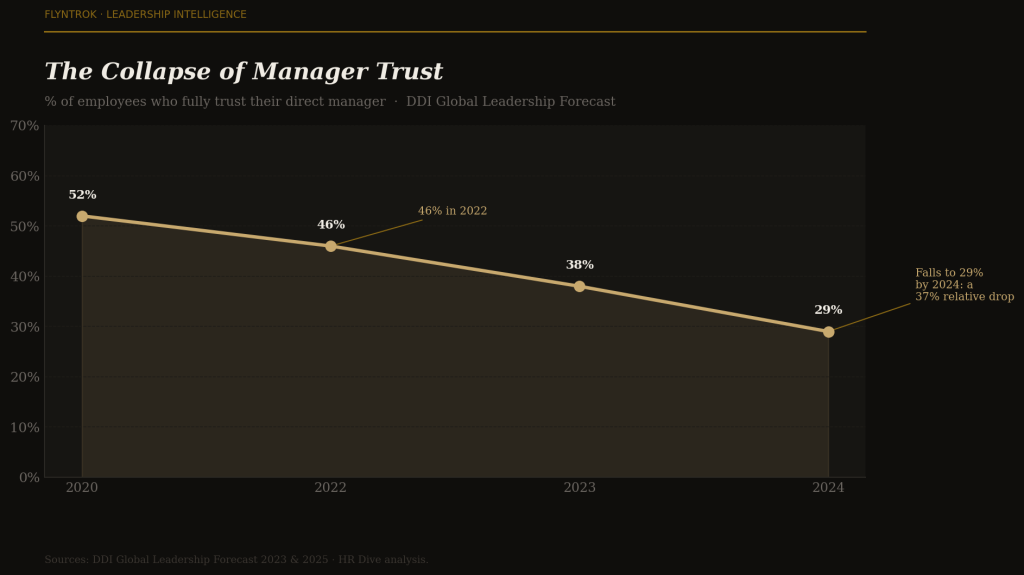
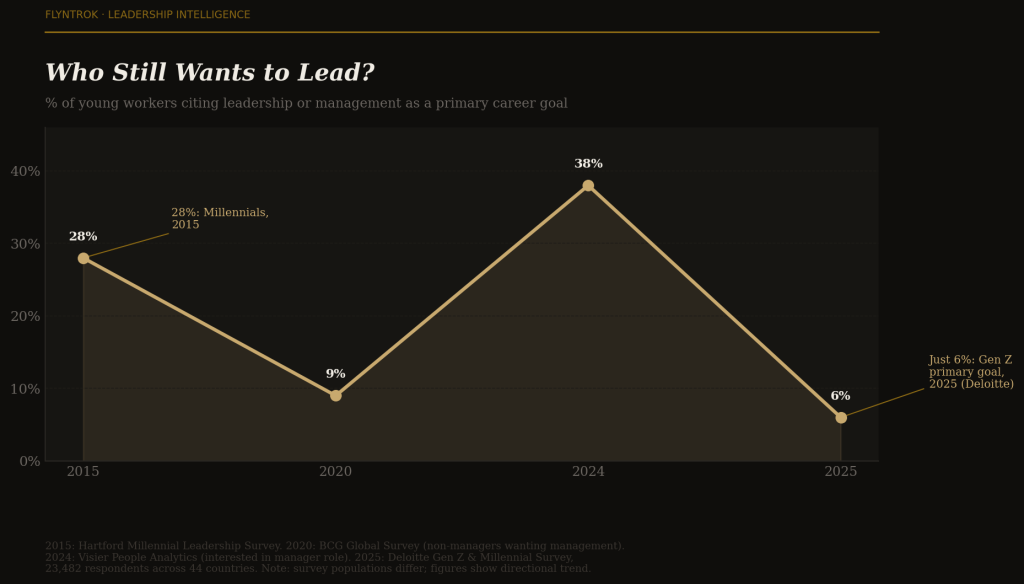
These numbers predate Gen Z’s entry into the workforce. They span the optimism of the mid-2010s, the upheaval of the pandemic, and the current period of AI disruption. What they reveal is not a generational failure. They reveal a structural one — a slow, consistent deterioration in the quality and appeal of leadership, playing out across decades and geographies.The generation changes. The problem does not.
What the individuals are actually saying
Anecdotes are easy to dismiss. Published ones, less so.
Camille Molas graduated from Pomona College with an astrophysics degree and landed a coveted investment banking role at JPMorgan Chase — low six figures, five-figure bonus potential, a trajectory many would envy. She left after a year. The reason she gave was precise:
“It’s not necessarily that you are working nonstop, but that you’re required to be ‘on’ all the time, which is almost worse. It could be 14 hours one day, then eight, then 12 on the weekend. You’re not able to anticipate when you can be free.”
Camille Molas, Pomona College Magazine, 2025
Do not mistake this for passivity. She enrolled in a part-time master’s programme in computer science at Georgia Tech while working full-time. She left Wall Street to build something. She did not leave ambition behind — she left a version of leadership that had nothing to offer it.
This pattern appears in executive search consulting rooms with striking regularity. A marketing director declines a VP promotion because it requires 70-hour weeks. A finance manager leaves a director-track role for a startup, accepting a pay cut for work with a clearer point. These are not isolated incidents. They are, as Stanton Chase’s consultants observe, happening across every industry and continent.
The European Managers body has its own formulation for what organisations must do in response: “re-enchanting the role of managers.” Three words that reveal how far the enchantment has faded.
The structural explanation organisations resist
Here is the conclusion the data is pushing towards, and that most organisations are reluctant to reach: the pipeline problem is not a supply problem. It is a product problem.
Leadership, as currently designed — long hours, public accountability without commensurate autonomy, bureaucratic weight, modest pay increments for exponentially more stress — has become a bad trade for a generation that has the tools to evaluate trades clearly. Gen Z researches compensation obsessively. They know what senior individual contributors earn. They have watched Millennials absorb the full cost of the leadership bargain, and they have drawn their own conclusions.
That respondent was not being idealistic. She was being precise about a calculation that organisations have made very difficult to solve in their favour.
And yet, every year, the conversation returns to the same question: what is wrong with the next generation? In the 1990s, it was Gen X who were too cynical. In the 2000s, Millennials were too entitled. Now Gen Z lacks the hunger. The question has a 30-year track record of pointing in the wrong direction.
The question worth asking instead
The article in India Today ended with a question that deserves to be asked more directly in boardrooms: Are we designing a version of leadership that the next generation actually wants?
Corporate India — and its counterparts in London, Sydney, and São Paulo — does not have a talent shortage. It has an aspiration shortage. And aspiration, unlike talent, cannot be recruited. It has to be earned.
The 64-year-old chairman studying succession plans down the corridor from a burnt-out 37-year-old and a quietly sceptical 23-year-old is not looking at a generational problem. He is looking at the cumulative result of what his organisation has made leadership look like, year after year, from the inside.
That is the harder conversation. And it is the only one worth having.