Share


As 2025 draws to a close, it is the perfect moment to pause and reflect. At Flyntrok, we believe the most valuable lessons are found in that moment of reflection. That is why we offer our End-of-Year Reflection Series, inviting experts across diverse fields to share the trends, patterns, and shifts that defined their work in 2025.
From HR transformation to personal finance, from brand communication to leadership failures, each voice brings a unique lens on the year that changed how we work, live, and lead. These are not predictions for what is coming. These are reflections on what has already happened—the moments that mattered, the patterns that emerged, and the lessons we cannot afford to ignore.
Dr. Minako Abe on Lifestyle Medicine Trends in 2025:
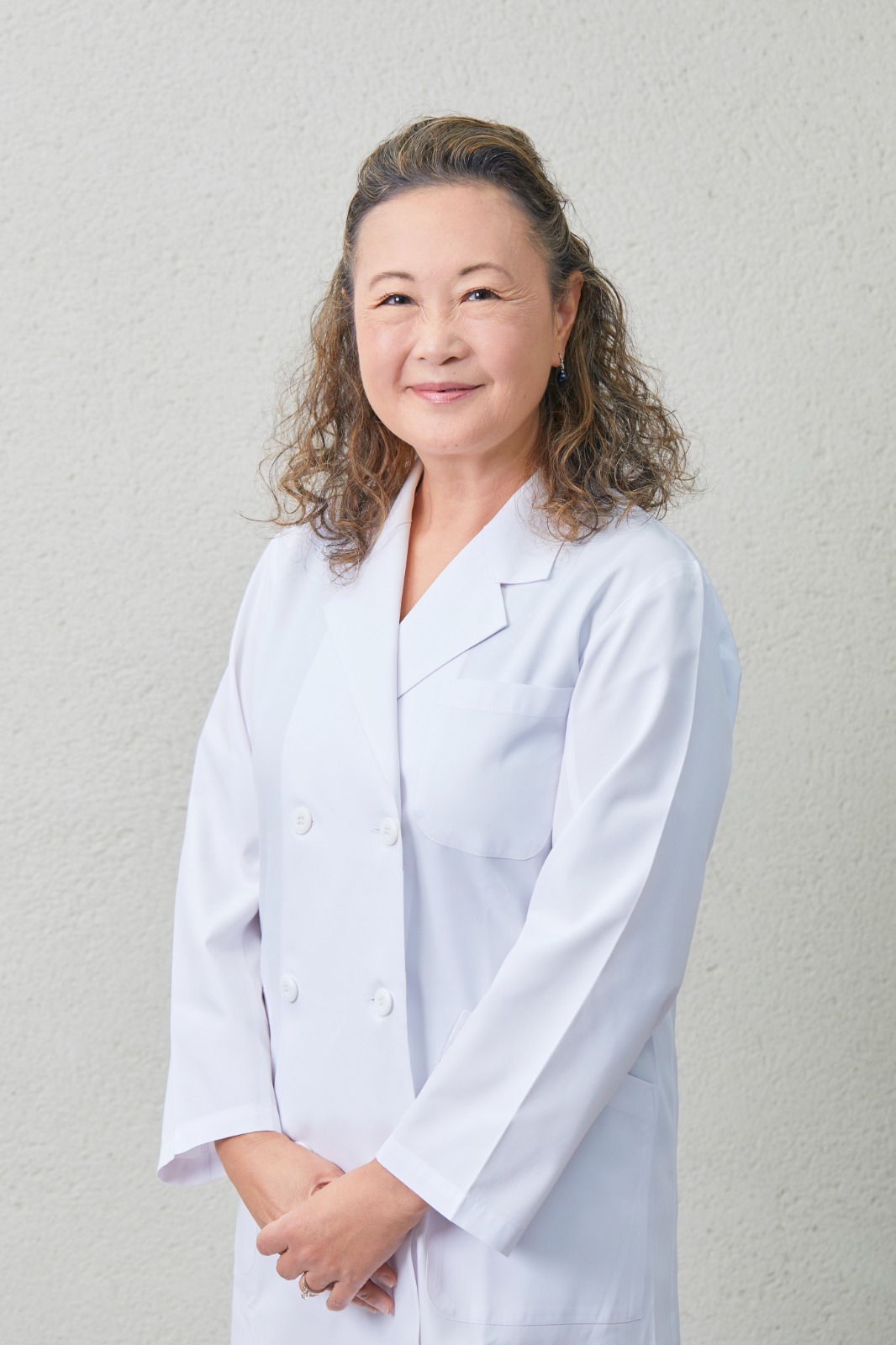
Dr. Minako Abe is the Director of the Tokyo Cancer Clinic and a dual board-certified physician in Emergency Medicine and Lifestyle Medicine. After 15 years treating patients in emergency departments across New York and New Jersey—including at Columbia University, Weill Cornell, and Albert Einstein College of Medicine—she realized that nearly 80% of what brought people through the doors was related to preventable lifestyle choices. In 2014, she moved to Tokyo to focus on what she believes is the most powerful intervention of all: helping people transform their health through how they eat, sleep, move, and manage stress. As a Master Health and Wellness Coach, she works with cancer patients and survivors, guiding them to thrive, not just survive. Her lens on 2025 reveals a fundamental shift: lifestyle medicine is no longer alternative—it is essential.
Over to Dr. Abe…
As we close out 2025, I have watched five significant shifts reshape how people think about their health. These are not fads. These are evidence-based trends rooted in what the research—and lived experience—has been telling us for years. People are finally listening.
1. A Stronger Shift Away from Ultra-Processed Foods
The conversation has moved beyond calories. In 2025, people began to understand that the degree of processing—not just the macronutrient breakdown—drives metabolic dysfunction, chronic inflammation, and long-term disease risk.
Ultra-processed foods are engineered for palatability, shelf stability, and profit. They are not designed for health.
Studies continue to link high consumption of these foods to increased risk of obesity, type 2 diabetes, cardiovascular disease, and even certain cancers. The Nova classification system, which categorizes foods based on the extent of industrial processing, has become a tool people use when making choices.
In my practice, I have seen patients shift from asking “Is this low-carb?” to asking “How processed is this?” That is progress. Whole foods—vegetables, fruits, legumes, nuts, seeds, whole grains, and minimally processed proteins—are reclaiming their place at the center of the plate.
2. Less Alcohol, or More Intentional Alcohol Use
The sober-curious movement gained real momentum in 2025. More people are questioning their relationship with alcohol—not because they have a problem, but because they want to feel better.
The science has been clear for years: alcohol disrupts sleep architecture, impairs mood regulation, increases cancer risk (especially breast, liver, and colorectal cancers), and contributes to systemic inflammation. Even moderate drinking is not risk-free.
What changed in 2025 is that this information moved from academic journals into everyday conversations.
People are experimenting with alcohol-free months, choosing mocktails over cocktails, and questioning the automatic weekend drink. The shift is not about total abstinence for everyone—it is about intentionality. When people drink, they are asking themselves why, and whether it is worth the trade-off.
3. Food Quality Over Macronutrient Debates
The carbs-versus-fat wars are exhausting. In 2025, people stopped fighting over macronutrient ratios and started focusing on what actually matters: food quality, fibre diversity, and glycemic stability.
Whether someone eats a plant-based diet, a Mediterranean pattern, or includes animal proteins, the common thread among successful dietary approaches is whole foods. Fiber-rich vegetables, legumes, and whole grains support gut health and metabolic regulation. Foods that minimize glycemic spikes—those that do not send blood sugar on a rollercoaster—reduce inflammation and support long-term metabolic health.
The question is no longer “Should I eat carbs?” It is “What kind of carbs am I eating?” The answer lies in choosing foods that nourish, not just fill.
4. Exercise Reframed from “Fitness” to “Medicine”
In 2025, exercise stopped being about aesthetics and performance goals and started being prescribed as a clinical intervention.
Strength training is now recognized as essential for aging well—preserving muscle mass, bone density, and metabolic health. Walking is acknowledged as one of the most powerful longevity interventions we have. Movement is being individualized, not generalized. A cancer survivor does not need the same exercise prescription as a competitive athlete, and we are finally treating movement with the nuance it deserves.
The shift is from “I should work out” to “Movement is medicine.” And like any medicine, it works best when the dose, timing, and type are tailored to the individual.
5. Connection and Community as Health Interventions
Loneliness and social isolation are now understood as modifiable health risk factors—comparable in impact to smoking or obesity. In 2025, this recognition moved from research papers into practice.
Group-based programs—whether fitness classes, support groups, or community cooking sessions—are being intentionally designed to improve both physical and mental health outcomes. Social connection reduces stress hormones, strengthens immune function, and improves adherence to healthy behaviors.
We are social creatures. Health does not happen in isolation. The most effective interventions in 2025 were the ones that brought people together.
Looking Ahead
These five trends share a common thread: they represent a return to what humans have always known. Eat real food. Move your body. Rest well. Connect with others. Lifestyle medicine is not revolutionary—it is foundational.
As we move into 2026, my hope is that these shifts deepen, that more people reclaim agency over their health, and that the healthcare system finally catches up to what the evidence has been telling us all along.
We hope each of these expert series – be it personal finance, optimism, HR, Leadership blind-spots, change and more gave you food for thought. It is now time to weave in your own experiences into these perspectives before you move forward. Please download a reflection guide, “New Beginnings,” at flyntrok.com/point-of-view and take time to pause, look back, and set your course for 2026.