Share


As 2025 draws to a close, it is the perfect moment to pause and reflect. At Flyntrok, we believe the most valuable lessons are found in that moment of reflection. That is why we offer you our End-of-Year Reflection Series.
We have invited experts across diverse fields to share their perspectives on the defining moments and trends of 2025. Each brings a unique lens to their respective areas ranging from HR to leadership and research. This series is not just about looking back; it is about gaining the perspective you need to make sense of a changing world and chart your course for 2026 with intention.
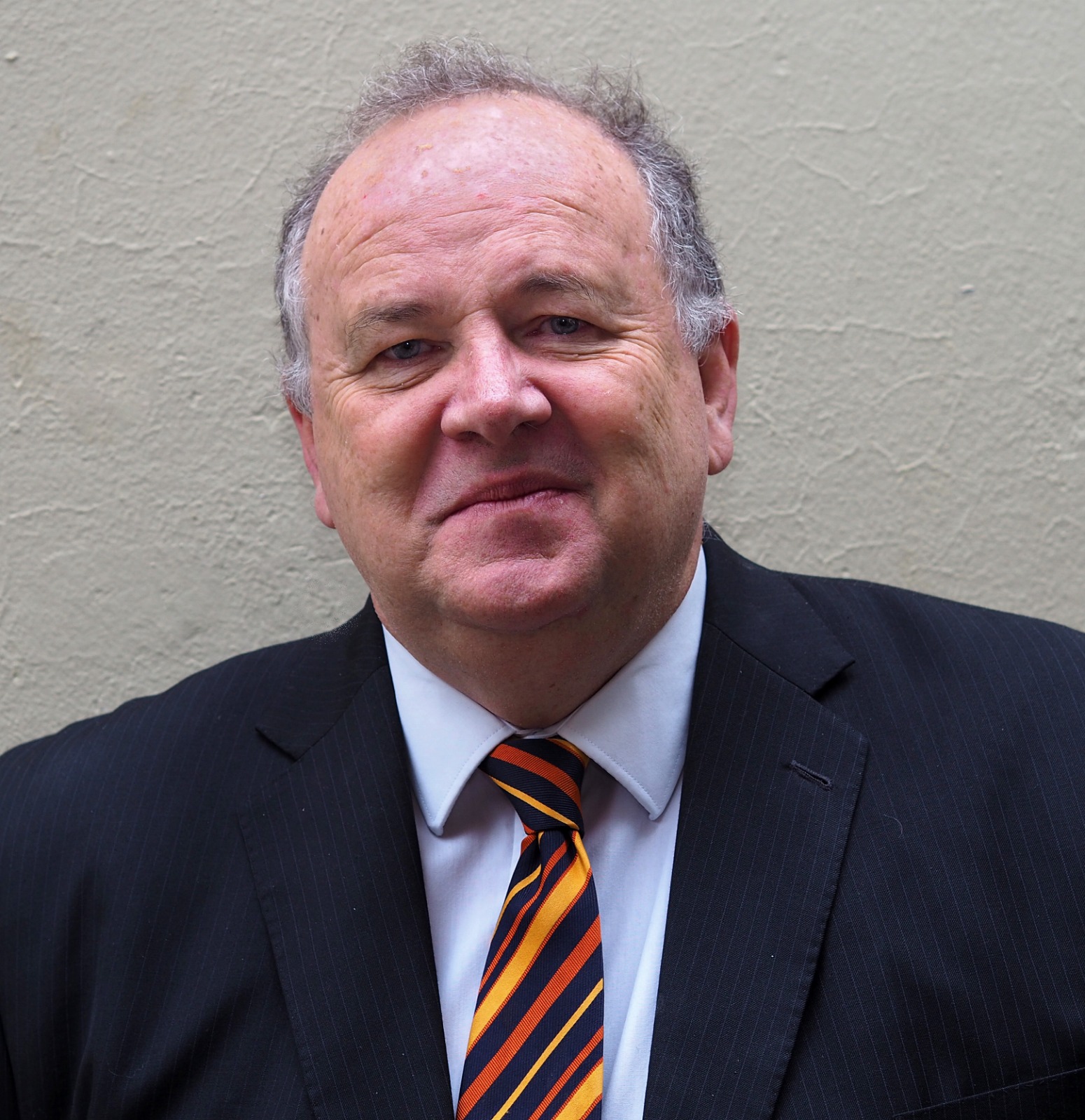
Victor Perton is the Founder and Chief Optimism Officer of The Centre for Optimism and Author of Optimism: The How and Why. Known globally as “That Optimism Man,” he has spent over 30 years studying what makes people optimistic, asking thousands the simple question: “What makes you optimistic?” His lens on 2025 reveals a profound shift—from organisations asking “how do we succeed?” to “how do we remain hopeful while everything changes?”

Over to Victor…
2025 is almost saying goodbye.
As the year draws to a close, I find myself reflecting on a question that has guided my life’s work: What makes us optimistic? This year, I witnessed something extraordinary—optimism stopped being dismissed as naive positivity and started being recognized as a practical leadership discipline. From sustainability circles to boardrooms, from global forums to daily workplace conversations, optimism emerged not as denial, but as rigorous realism.
Here are five trends that defined this transformation:
1. Optimism as Strategy
In sustainability circles and boardrooms alike, optimism is now seen as a driver of better outcomes. Will Sarni said it best: “Victor makes the case that it is a practical leadership discipline that enables better decisions, bolder investments, and more resilient communities. Optimism as rigorous realism, not denial.”
That is the optimism we practice.
In 2025, I saw more leaders around the world adopt this mindset, replacing critique with appreciative questions like, “What is working well?” and “How do we build on it?” It is a shift from problem-finding to life-giving leadership.
Optimism became strategic—not because it ignores challenges, but because it focuses energy on what is possible rather than what is broken.
2. Resilience Anchored in Optimism
The RiSE Initiative’s Christmas message encouraged Australians to revisit Infectious Optimism. Their message echoed a now widespread understanding: optimism underpins resilience. It gives people the belief and energy to keep going, even when the way is difficult.
Throughout 2025, I observed organisations recognizing that resilience without optimism is merely survival. True resilience—the kind that enables people and organisations to thrive through adversity—requires an optimistic foundation. It’s the difference between enduring hardship and transforming because of it.
3. A Global Call to Restore Optimism
The World Economic Forum’s Global Risks Report 2025 named declining optimism as a threat to global wellbeing.
This was not just analysis—it was a wake-up call.
In response, the Commonwealth Heads of Government pledged to “restore hope and optimism in our common future.” These are not just words. They represent a turning point in how governments and leaders think about the emotional and psychological foundations of progress. When global bodies recognize that optimism matters as much as economic policy or security strategy, we know something fundamental has shifted.
4. The Rise of Loving-Kindness Meditation
A gentle yet powerful practice gained traction this year. Loving-kindness meditation—silently wishing happiness, safety, and peace for others and oneself—found its way into boardrooms, leadership retreats, and daily routines.
Recent research published in the Journal of Happiness Studies confirmed what practitioners have known: loving-kindness meditation effectively improves workplace wellbeing, reduces burnout, and enhances interpersonal relationships.
This is optimism in quiet action. It softens hearts, calms minds, and builds communities rooted in compassion. What strikes me most is how this ancient practice is being embraced not as a retreat from the challenges of modern work, but as a tool to meet them with greater emotional resilience and human connection.
5. Better Questions, Better Conversations
Across workplaces and communities, a beautiful habit continued to grow. Instead of asking, “How are you?” more people asked, “What has been the best thing in your day?”
One small shift, and the energy in the room changed. Smiles appeared. Conversations deepened.
I have asked this question thousands of times over the years, and every time, I witness the same transformation. People pause. They reflect. They connect with something positive, often something they had not even noticed until they were asked.
This is not about toxic positivity or ignoring difficulties. It is about deliberately directing attention toward what gives us energy, hope, and connection. The question itself becomes a leadership practice—one that builds optimistic cultures one conversation at a time.
—
These five trends tell a larger story: 2025 was the year optimism stopped being seen as optional. Organisations that thrived were not those that ignored difficulties—they were those that faced challenges with an optimistic mindset. They asked better questions.
As you reflect on your own 2025 and move into 2026, the question is not whether optimism matters. The question is: How will you practice it?
Download the “New Beginnings” reflection guide at flyntrok–>Point Of View to guide your reflection journey, capture your insights, and set your direction for the year ahead.