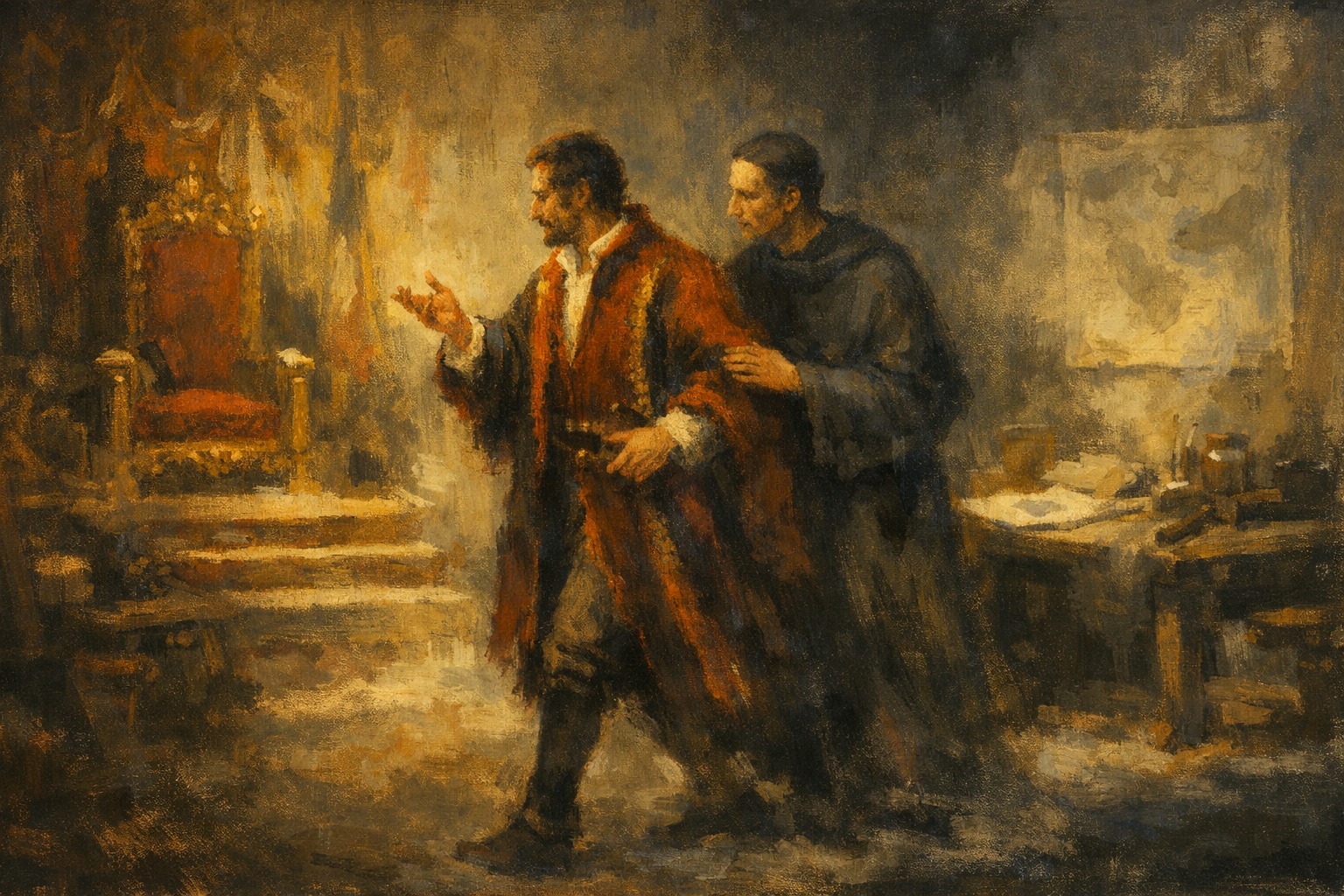
Every organisation wants to change. Some even rehearse it well.
There is the townhall, carefully staged. The slides are crisp. The slogans are memorable. A hashtag is unveiled. The leader speaks with conviction. Applause follows. Screenshots are taken.
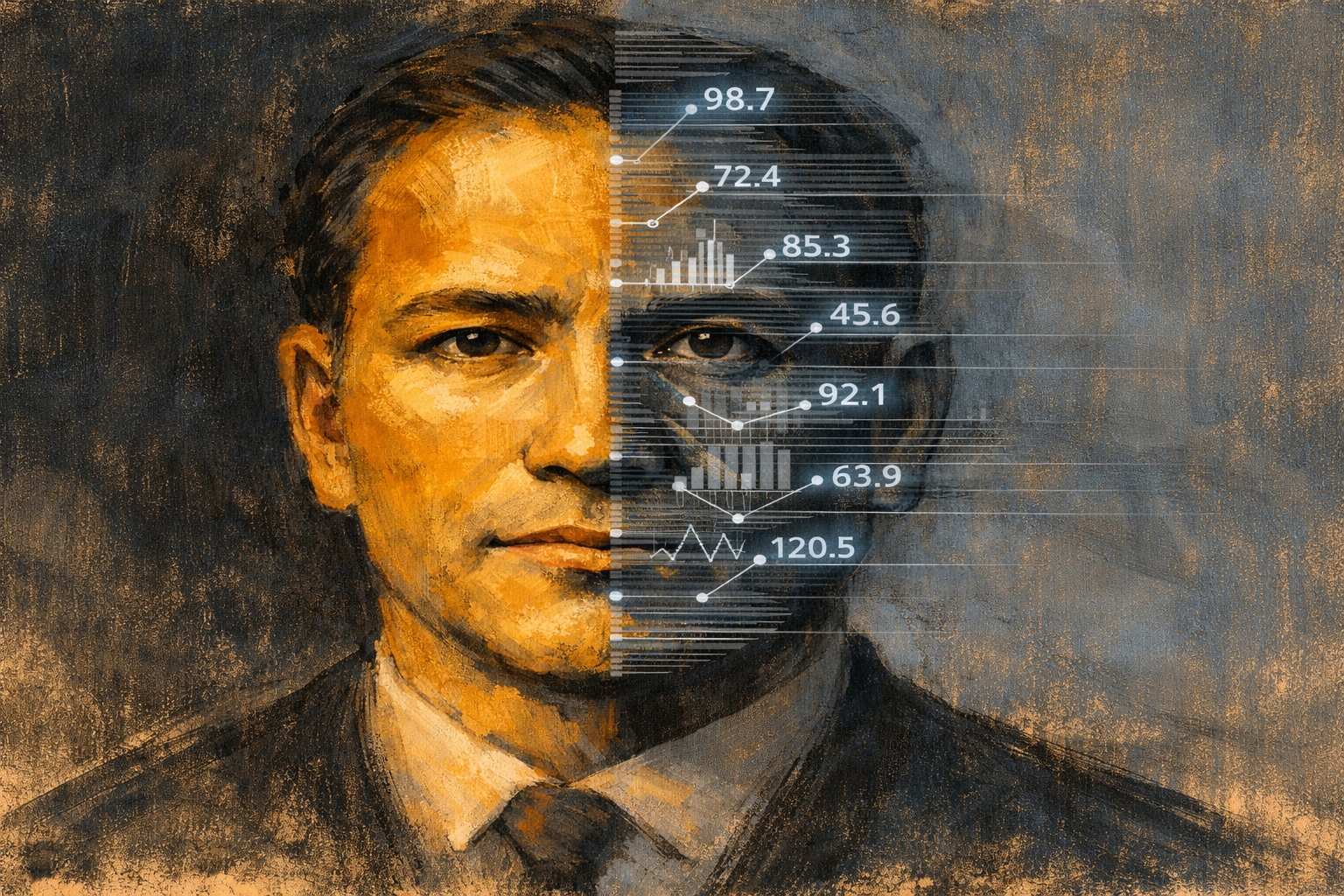
And then, quietly, everyone goes back to work exactly as before. This is the performative side of transformation. Change as theatre. The choreography is impressive. The substance is thinner. When the curtain call arrives, the spreadsheet takes a bow.
Most organisations have intent. What they struggle with is follow-through. Visibility starts substituting movement. Noise begins passing for progress.
Townhalls are a good example. They are meant to signal seriousness. Over time, many turn into one-way broadcasts. Leaders speak. Employees listen. Questions are invited, carefully moderated, safely phrased. The event ends with, “This is just the beginning.”
It rarely moves beyond that moment.
Slogans follow the same arc. “One Team.” “Future Ready.” “Customer First.” Printed on walls, screensavers, coffee mugs. Repeated often enough to feel reassuring. They shape language more than behaviour.
Hashtags add speed to the theatre. #Transform2025. #NextNormal. #ReimagineWork. They travel fast and sound current. They also make it easier to signal movement while postponing the slower work of altering incentives, roles, and decisions.
Research backs this discomfort. A Harvard Business Review analysis found that most change efforts fail not because the strategy was unclear, but because behaviours and decision rights stayed the same. In other words, the play changed. The actors did not.
There is room for compassion here. Leaders are under pressure to show momentum. Boards want reassurance. Employees want clarity. Theatre delivers all three, briefly. It buys time. The trouble is that time, once bought, often goes unused.
What Separates Theatre from Change
Real transformation shows up in quieter places. In meetings where fewer slides appear and tougher conversations stay in the room. In decisions that stretch the old logic. In managers who change how they reward, promote, and listen. In leaders who alter how they show up, not just how they speak.
These moments do not trend. They do not photograph well. Yet they accumulate.
Consider one organisation that announced a major shift to cross-functional working. The townhall was flawless. Six months later, bonuses were still tied to silo targets. People learned the truth quickly. Collaboration was optional. Performance was not.
That is how theatre ends. With clarity.
A simple test helps separate theatre from substance. Watch what happens after the applause fades. Are new behaviours protected when they become inconvenient? Are old habits questioned when they feel comfortable? Does anyone give up something meaningful as a result of the change?
If little changes beyond the language, the performance was polish.
So What Must Leaders Actually Do?
First, trade visibility for consequence. Ask what becomes harder after the announcement. Which decisions now carry real cost. If nothing is at stake, the change is still symbolic.
Second, slow down where it hurts. Stay longer in uncomfortable conversations. Resist premature alignment. Google’s Project Aristotle showed that teams improve when leaders tolerate uncertainty and create space for real dialogue, not quick closure.
Third, change what gets rewarded, not just what gets said. Culture follows incentives. When promotions, pay, and recognition remain unchanged, behaviour follows suit, regardless of how inspiring the language sounds.
None of this looks dramatic. It rarely earns applause. It creates friction before it creates progress. That is why theatre is tempting. Practice is harder.
In the end, transformation is not a performance. It is a practice. And practices change only when leaders are willing to change themselves first.