Share


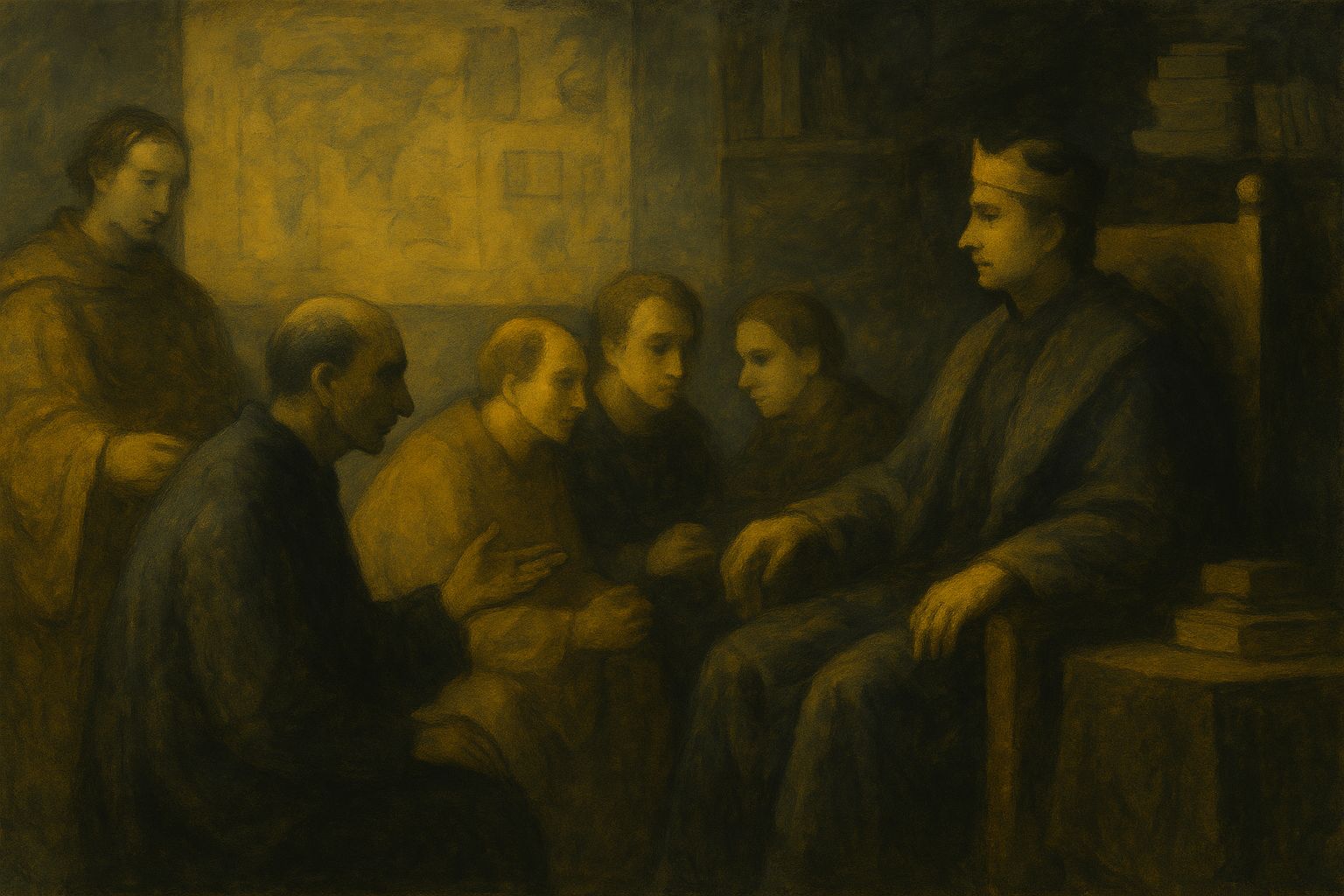
There is a moment every leader encounters. It usually arrives quietly. Long before the quarterly review. Long before the market sends a signal. It arrives as a simple question: Are you still learning at the speed the world is changing?
Most leaders do not lose relevance through laziness. They lose it through momentum. They keep doing what once worked. Success turns yesterday’s instinct into today’s blind spot.
Peter Drucker warned of this years ago. “The greatest danger in turbulent times is not the turbulence. It is to act with yesterday’s logic.” The line has aged well.
Most leaders already sense this shift. Deloitte’s global research reports that only a small fraction of leaders feel genuinely future ready. Yet a clear majority believe continuous learning is the most important leadership trait today. The gap is not awareness. The gap is practice.
The Center for Creative Leadership offers a sharper warning. Almost half of all leadership derailments are caused by an inability to adapt. Not by a lack of IQ. Not by a lack of experience. When experience hardens into certainty, readiness begins to fade. And once readiness fades, momentum takes over.
A story from business
In 2011, Satya Nadella was years away from becoming CEO. Yet he had a simple ritual. After every major project, he asked his teams one question. What did we learn that makes the next decision better? Not bigger. Better.
When he eventually became CEO, he inherited a company proud of its certainty. He turned it into one known for curiosity. The cultural shift did not come from new slogans. It came from steady questions. And from a leader who modelled teachability in public.
That is the work of readiness. Leaders who learn visibly make it easier for everyone else to learn too.
Therefore, what must a leader actually do
Three things. Simple to say. Hard to sustain.
First. Build a ritual of reflection. Ten minutes a week.
What changed?
What surprised you?
And, what is no longer true?
Small questions prevent large mistakes.
Second. Invite feedback long before it becomes urgent. Ask your team what you are not seeing. Ask peers what they would decide differently. You cannot be ready for the future if you cannot hear the present.
Third. Curate new stories. Every organisation runs on the stories it tells itself. Stories of old victories can become shackles. Tell stories of small experiments. Tell stories of those who tried something new. Stories shift culture long before strategy does.
Readiness is not a leadership style. It is a survival skill.
The leaders who stay ready do one thing well.
They remain teachable. Long after their title suggests they can stop learning.